How Fitness Trackers Improve Your Daily Routine

Desire E
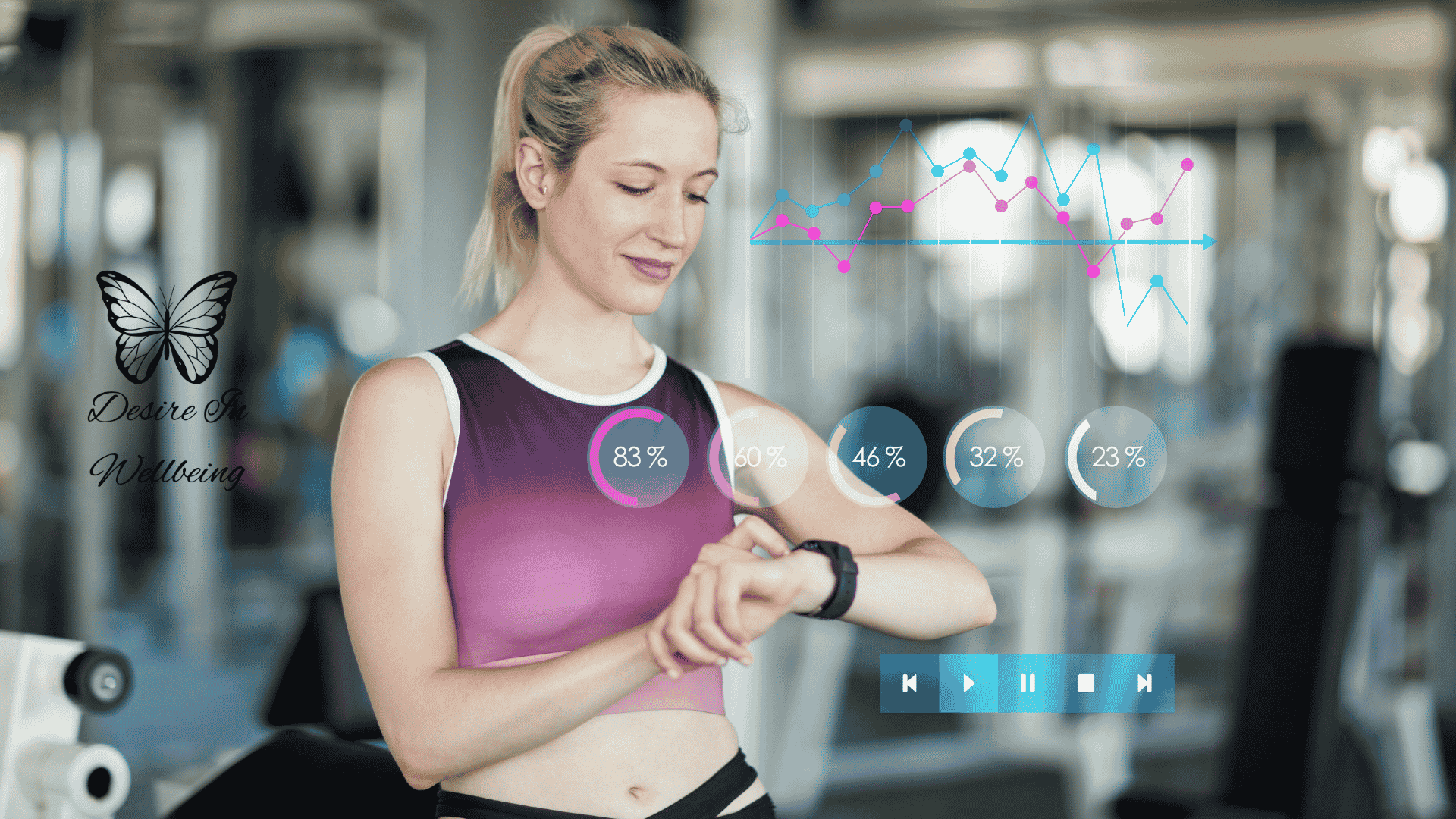
Fitness trackers can make everyday activity easier to notice, understand, and adjust. A wristband, smartwatch, or phone-linked sensor may record steps, movement, heart rate, and sleep-related estimates, then display patterns that help you make practical decisions. Their greatest value is usually not the number on the screen; it is the way feedback can prompt you to move more regularly, recognise routines, and reflect on how your habits fit your goals.
These devices are tools, not medical authorities. Accuracy varies by device, metric, activity, and person, and an attractive dashboard can make estimates look more precise than they are. Research suggests that activity trackers can support increases in physical activity, but evidence for wider health outcomes is mixed. Use your tracker as one source of information alongside how you feel, your own circumstances, and advice from qualified professionals when needed.
Table of Contents
- What fitness trackers measure
- 1. Build more movement into your day
- 2. Set useful, realistic goals
- 3. Make workouts more informed
- 4. Break up long periods of sitting
- 5. Use sleep tracking thoughtfully
- 6. Balance effort and recovery
- 7. Turn feedback into sustainable habits
- Understand accuracy and limitations
- How to choose a tracker
- Protect your data and wellbeing
- A simple seven-day starter plan
- Common mistakes to avoid
- Frequently asked questions
- Research and further resources
What Fitness Trackers Measure—and What the Numbers Mean
Most fitness trackers use movement sensors to estimate steps and activity. Many also measure heart rate with optical sensors, estimate sleep periods from movement and other signals, and combine data into summaries such as activity minutes or recovery scores. Some smartwatches include additional functions, such as an electrocardiogram feature or notifications for particular irregular heart rhythms. Availability and regulatory status vary by model and country, so check the manufacturer's information rather than assuming every watch has the same capabilities.
A measurement is not the same as a diagnosis. Step counts are estimates; calorie expenditure is particularly difficult to calculate accurately from a wrist device; sleep stages are inferred rather than directly measured in the way they are assessed in a sleep laboratory. Heart-rate estimates can also vary during intense exercise, changes in movement, or when a sensor does not sit securely against the skin. A tracker can be useful for observing trends even when individual readings are imperfect.
A 2024 open-access umbrella review of systematic reviews found substantial variation in the accuracy of consumer wearables across metrics and devices. Step counts and heart-rate estimates can be useful in some settings, but estimates of energy expenditure, activity intensity, and sleep may show meaningful errors. A separate review of interventions using wrist-worn feedback found that such interventions tended to increase physical activity, while effects on cardiometabolic markers, quality of life, depression, anxiety, and pain were limited or inconsistent. This distinction matters: trackers may help people change behaviour, but the device itself does not guarantee better health.
1. Build More Movement Into Your Day
One of the most practical benefits of a fitness tracker is making everyday movement visible. Walking to a shop, taking the stairs, doing household tasks, dancing, gardening, or walking during a phone call can all contribute to physical activity. Without a record, these small bouts may be easy to overlook. A daily summary can help you notice whether your routine includes movement or whether long stretches of sitting dominate most days.
Use the information to experiment rather than judge yourself. If you spend much of the day seated, try a short walk during a break or park a little farther away when it is safe and practical. If you work from home, you might walk while listening to a meeting that does not require you to be on camera or take a brief movement break between tasks. Small changes that fit your life are more likely to last than a dramatic plan that quickly becomes inconvenient.
Do not assume everyone needs the same step target. Popular targets such as 10,000 steps are easy to remember, but they are not a universal medical requirement. Your appropriate level depends on your starting point, age, health, mobility, work, environment, and goals. If your current activity is low, build gradually from your own baseline. If walking is not accessible or comfortable, other activities—such as chair-based movement, swimming, cycling, or exercises recommended by a professional—may be more suitable.
2. Set Useful, Realistic Goals
A tracker can make a broad intention such as “be more active” more specific. Instead of pursuing every metric at once, choose one behaviour you can influence: taking a short walk after lunch, completing a few planned activity sessions each week, or standing and moving at regular intervals. The device can help you see whether you followed through, but the goal should remain flexible enough for illness, caregiving, weather, work demands, and rest days.
Start by wearing the device during a typical week without trying to change everything. Use this baseline to understand your usual pattern. Then choose a small adjustment that feels achievable. For example, if you usually take a short walk on three days, aim for a fourth day rather than immediately committing to daily long workouts. Once the change feels routine, reassess and decide whether to build on it.
Set goals around actions as well as outcomes. A step total is an outcome that can be affected by many things; a planned ten-minute walk is an action you can deliberately schedule. Both can be useful, but action goals often feel more manageable when circumstances are unpredictable. Avoid treating a missed target as a personal failure. Review what got in the way and adjust the plan instead.
3. Make Workouts More Informed
During exercise, a tracker may help you record duration, distance, heart rate, and how consistently you train. These measures can support reflection: Did you complete the session you planned? Are you gradually building the time you spend walking or cycling? Do you tend to start too quickly and feel exhausted later? The data can provide context, but it should not replace attention to pain, dizziness, breathlessness that feels unusual, or other warning signs.
Heart-rate zones are often presented as if they are exact boundaries between training effects. In reality, estimates based on age or general formulas are approximations, and medication, fitness, heat, stress, illness, and individual physiology can influence heart rate. Beginners do not need to chase a particular zone to benefit from movement. A comfortable pace that allows you to talk, adjusted to your ability, may be a more useful starting point than obsessing over a number.
Trackers may automatically recognise walking, running, cycling, or other activities, but they can misclassify movements or miss a workout. Check that the recording is plausible and edit it if the app allows. Do not compare metrics across different brands as if they were measured under identical conditions. If you are training for a specific event or managing a health condition, seek appropriately qualified advice on interpreting the data.
A tracker can also help you reflect on consistency. A weekly overview may reveal that your exercise plan is concentrated on one day and absent the rest of the week. If it suits your needs, distributing activity across several days can make a routine easier to maintain. The right pattern depends on your goals and health; the device should help you plan, not dictate a one-size-fits-all programme.
4. Break Up Long Periods of Sitting
A workout is valuable, but it does not automatically erase the effects of spending most waking hours sitting. Many trackers offer reminders to stand, stretch, or move after a period of inactivity. These nudges can be useful prompts to interrupt long sedentary stretches, especially during desk work, study, or long periods of screen time.
Make reminders practical. Walk to refill your water, gently move your shoulders, take a few steps indoors, or do a brief mobility exercise appropriate for your body. If you work in a setting where standing is not possible, choose a movement option you can do safely. People with pain, balance concerns, mobility limitations, or particular medical needs should adapt reminders to their circumstances and seek professional guidance where appropriate.
You do not have to respond to every alert immediately. Repeated interruptions can become irritating, and a reminder is not a measure of your worth or effort. Adjust the frequency, silence notifications during focused work, or turn the feature off if it causes stress. The goal is to make movement easier to remember, not to let a device control your day.
5. Use Sleep Tracking Thoughtfully
Sleep features can estimate when you went to bed, when you woke, how long you slept, and how often movement may have interrupted sleep. Looking at several weeks of data may help you notice a routine—for example, that late work often pushes bedtime later or that an irregular schedule leaves you feeling less rested. Pair the estimates with your own observations about energy, mood, concentration, and how refreshed you feel.
Do not assume the tracker accurately identifies every sleep stage. Consumer devices infer stages from sensor signals and algorithms; they do not directly measure all the brain activity used in a clinical sleep study. The 2024 review of wearable accuracy reported variability in sleep estimates and a tendency in the reviewed devices to overestimate total sleep time. A detailed graph may look authoritative while still being an approximation.
Avoid becoming preoccupied with achieving a perfect sleep score. For some people, repeatedly checking sleep metrics creates anxiety about sleep itself, sometimes called orthosomnia in research discussions. If you sleep reasonably well and function normally, a small change in a score may not be meaningful. If you have persistent difficulty sleeping, loud snoring with gasping, excessive daytime sleepiness, or concerns about a sleep disorder, speak with a qualified healthcare professional rather than relying on a wrist device to diagnose it.
Use the data to support basic routines: a consistent wake time when feasible, a relaxing wind-down period, a sleep environment that suits you, and a schedule that allows enough opportunity for rest. A tracker cannot compensate for insufficient time available for sleep, and no single score can capture every factor that affects how you feel.
6. Balance Effort and Recovery
Some devices combine heart rate, sleep estimates, recent activity, and other measurements into a “readiness,” “recovery,” or “stress” score. These summaries can prompt useful questions: Have I slept less than usual? Have I increased training quickly? Am I feeling unusually tired? But they are proprietary calculations, not direct measurements of how ready your entire body is for exercise.
Treat a low score as one signal to consider alongside your own experience, not a command to cancel every activity. Gentle movement may feel appropriate on a tired day; on another day, rest may be the better choice. Likewise, a high score does not mean you should ignore pain, fever, unusual fatigue, or other symptoms. Your body and circumstances matter more than a single algorithmic summary.
Heart-rate variability (HRV) is often used in recovery features. It describes variation in the time between heartbeats and is influenced by many factors, including sleep, stress, training, alcohol, illness, and measurement conditions. It is not a simple “higher is always better” score. Focus on longer-term trends measured consistently and avoid interpreting isolated changes as proof that something is wrong.
If you have a medical condition or take medication that affects heart rate, ask a clinician how to interpret relevant measurements. Consumer trackers are not a substitute for prescribed monitoring or clinical tests. Seek urgent care for serious symptoms such as chest pain, fainting, severe shortness of breath, or sudden neurological changes rather than waiting for a device notification.
7. Turn Feedback Into Sustainable Habits
The most useful tracker is one that supports behaviours you can continue. Choose a small number of metrics linked to your goals rather than checking every chart throughout the day. For example, someone building a walking routine might focus on days with a walk and total active time; someone exploring sleep habits might review bedtime consistency and personal energy. More data does not always mean better decisions.
Link the behaviour to an existing cue. You might take a brief walk after lunch, stretch after finishing a meeting, or prepare your tracker before an evening walk. Put comfortable shoes where you can find them, choose a safe route, and decide what to do when the weather is poor. These practical details can matter more than a sophisticated dashboard.
Use reminders and badges only if they help. Gamification can motivate some people, but streaks can also turn a healthy habit into an all-or-nothing challenge. A missed day does not erase previous effort. If the app encourages guilt, comparison, or compulsive checking, disable the feature or take a break from tracking. Your health routine should fit your life rather than becoming another source of pressure.
Review trends at a set time, perhaps once a week, instead of responding to every fluctuation. Ask three questions: What pattern do I notice? What small behaviour might explain it? What is one reasonable adjustment to try? Avoid claiming a cause from a single correlation. If your sleep score changes after an evening walk, for example, other factors may also have changed; treat the observation as a possibility to explore rather than proof.
Understand Accuracy and Limitations
Fitness trackers are designed for different purposes, and the same device can perform well for one measure and less well for another. Step counts may be more useful during steady walking than during activities involving little wrist movement. Heart-rate readings can be affected by fit, movement, skin contact, and exercise intensity. Calorie expenditure is an estimate based on variables and assumptions, not a direct count of the energy your body used.
Sleep-stage and stress scores also require caution. Sleep algorithms infer patterns from available signals, and stress scores may rely on heart rate, HRV, or other proprietary calculations. These numbers should not be treated as definitive measures of mental health, recovery, or disease. A device's marketing claims may refer to a specific feature or validation study, so look for evidence relevant to the metric you care about.
A tracker can miss important information and may sometimes generate an alert that needs clinical confirmation. Some smartwatches offer features intended to identify particular heart rhythm patterns, but they do not detect every heart problem, and availability varies by country and model. Do not use a consumer device to rule out a condition or delay care when you have symptoms. Ask a healthcare professional to interpret concerns and confirm findings with appropriate methods.
Remember that data quality can vary between people. Fit, movement patterns, skin characteristics, tattoos, temperature, device position, and other factors may affect readings depending on the sensor and model. Follow the manufacturer's instructions, wear the device as directed, and compare trends under similar conditions. Even then, treat values as estimates unless the device and measurement have been validated for the intended use.
How to Choose a Fitness Tracker
Start with your goal, not the most expensive device. If you mainly want to build a walking habit, a basic step counter or phone app may be sufficient. If you want workout records, compare exercise modes, battery life, comfort, and whether the app presents information clearly. If you are interested in a specific health feature, confirm that the exact model supports it in your region and understand whether it is a wellness estimate or a regulated medical function.
- Comfort and fit: Choose a device you can wear consistently without irritation. Check sizing and whether the strap can be adjusted securely.
- Battery life: Consider how often you are willing to charge it, especially if you want to record sleep.
- Phone compatibility: Confirm the companion app works with your phone and operating system.
- Clarity of information: Prefer a dashboard that makes your chosen metrics easy to understand without overwhelming you with scores.
- Water and activity needs: Check the manufacturer's stated limits if you swim or exercise in wet conditions.
- Privacy controls: Review what is collected, whether information is shared, and how you can delete or export your data.
- Total cost: Include subscriptions, replacement straps, accessories, and whether key features require a paid plan.
- Accessibility: Consider screen readability, audio or vibration alerts, ease of use, and whether the device works for your mobility and sensory needs.
You do not need to buy a new device to begin. A smartphone may count steps or record walks, and a paper checklist can help you track planned movement without collecting biometric information. If you are comparing models, prioritise the few features you will actually use and check independent validation evidence for the specific measurements that matter to you.
Protect Your Data and Your Wellbeing
Fitness data can reveal more than steps. Depending on settings, a device or companion app may collect location, activity patterns, sleep estimates, heart-rate data, contacts, or other information. Before enabling features, read the privacy settings and decide which data you are comfortable sharing. Use a strong account password, enable available account security features, and limit permissions that are not needed for your goals.
Check whether social challenges or public profiles reveal your routes, activity times, or personal metrics. Be cautious about sharing location-tagged workout maps that show where you live or regularly travel. Review data export and deletion options, and understand whether information may be shared with service providers or other parties under the app's current policy. Policies can change, so review them occasionally rather than assuming the settings remain the same forever.
Also protect your attention. Constant notifications and repeated checking can make movement feel like a performance that must be measured. If numbers make you anxious, encourage unhealthy comparison, or lead you to exercise despite pain, take a break or switch to a less data-focused approach. It is reasonable to use a tracker only during selected activities, turn off calorie estimates, or stop using it altogether.
A Simple Seven-Day Starter Plan
This plan is designed to help you learn from your device without trying to change every habit at once. Adapt the activities to your abilities and circumstances; if you have a health condition or have been advised to limit activity, follow your clinician's guidance.
- Day 1 — Observe your baseline. Wear or carry your device as usual and notice what it records. Do not try to beat a target.
- Day 2 — Choose one small movement cue. Add a short walk or other comfortable movement to an existing break.
- Day 3 — Review your sitting pattern. If it suits you, use one reminder to stand, stretch, or move briefly during a long seated period.
- Day 4 — Plan one activity session. Choose an enjoyable activity and a realistic duration. Use the tracker to record it, but pay attention to comfort and safety.
- Day 5 — Notice your sleep routine. Compare the device's estimate with how rested you feel. Avoid drawing conclusions from one night.
- Day 6 — Review a trend. Look at your week and identify one pattern. Consider other factors that may explain it rather than assuming the tracker has found a cause.
- Day 7 — Choose one next step. Keep the feature that genuinely helped, change the one that annoyed you, and set a modest goal for the coming week.
At the end of the week, ask whether tracking made your routine more useful, manageable, or enjoyable. If it did, continue with a simple plan. If the data added pressure without helping you act, simplify the settings or try tracking only a single behaviour. The purpose is to support your wellbeing, not to maximise the amount of data collected.
Common Fitness Tracker Mistakes to Avoid
Treating estimates as exact facts
A calorie number or sleep-stage graph can look precise without being exact. Use the metrics to observe broad patterns, not to make rigid decisions based on tiny changes. Avoid using estimated calorie burn as the sole basis for food choices or exercise decisions.
Comparing your numbers with everyone else's
People have different bodies, schedules, health needs, environments, and starting points. Online leaderboards may motivate some users, but comparisons can also be misleading. Measure progress against your own reasonable goals and context.
Trying to hit every target every day
Activity, sleep, and recovery targets are prompts, not moral obligations. Rest and flexibility are part of a sustainable routine. Adjust targets when life circumstances change or when a professional recommends a different approach.
Ignoring symptoms because the watch looks normal
A normal-looking reading does not rule out a medical problem. Seek appropriate care for symptoms regardless of what the tracker reports. Serious or sudden symptoms require urgent attention.
Buying features you will not use
More sensors and a higher price do not automatically make a device better for your needs. Start with your goals and choose a simple tool that is comfortable, understandable, and affordable.
Frequently Asked Questions
Do fitness trackers really help people become more active?
Research on interventions that include wearable feedback generally suggests an increase in physical activity in many populations. The size and durability of the effect vary, and the tracker is often part of a wider behaviour-change approach. Results depend on how the device is used and whether the goals are realistic.
Is a 10,000-step daily goal necessary?
No single step count is right for everyone. Ten thousand steps is a popular target, not a universal requirement. Begin from your own baseline and choose an achievable goal suited to your health, mobility, and routine.
Are fitness trackers accurate?
Accuracy depends on the device, metric, activity, and user. Step counts and heart-rate estimates may be useful for some purposes, while calorie expenditure, activity intensity, and sleep-stage estimates can be less reliable. Treat numbers as estimates and check the evidence for specific features.
Can a smartwatch diagnose a heart condition or sleep apnea?
A few devices offer specific features that may flag patterns needing follow-up, but a consumer wearable does not replace clinical assessment. A notification is not a definitive diagnosis, and a lack of alerts does not rule out a condition. Discuss concerns with a qualified healthcare professional.
Should I wear a tracker while sleeping?
Only if it is comfortable and the information is useful to you. Sleep tracking is optional, and its estimates have limitations. If wearing the device disrupts your sleep or makes you anxious about scores, remove it at night.
What if tracking makes me stressed or obsessive?
Turn off reminders, hide metrics that trigger pressure, check trends less often, or stop tracking. You can maintain healthy habits without measuring them continuously. If concerns about exercise, sleep, food, or health data are affecting your wellbeing, consider speaking with a qualified professional.
Do I need an expensive smartwatch?
No. A basic tracker, smartphone, pedometer, or paper record may be enough for simple goals. Pay for advanced features only if you understand their limits and expect to use them.
Research and Further Resources
- An umbrella review of systematic reviews of the impact of wrist-worn wearables on health outcomes. A review of evidence on activity and wider health outcomes, with cautions about review quality and inconsistent findings.
- Keeping Pace with Wearables: A Living Umbrella Review of Systematic Reviews Evaluating the Accuracy of Consumer Wearable Technologies in Health Measurement. Open-access review of accuracy across heart rate, steps, sleep, energy expenditure, and other measures.
- Real-World Accuracy of Wearable Activity Trackers for Detecting Medical Conditions: Systematic Review and Meta-Analysis. Research on the limits of using wearables to identify medical conditions.
- World Health Organization: Physical activity. Guidance on the value of regular physical activity and reducing sedentary behaviour.
- U.S. Centers for Disease Control and Prevention: Physical Activity Guidelines for Adults. General recommendations that can help contextualise activity goals.
Final Thoughts: Let the Tracker Support You, Not Control You
A fitness tracker can be a useful companion when it helps you notice patterns, plan realistic movement, and reflect on your routine. Start with one goal, use only the metrics that help you make decisions, and review trends rather than chasing perfect daily scores. Keep your own experience and safety at the centre of every choice.
Technology is only one part of wellbeing. Enjoyable movement, adequate rest, supportive relationships, nourishing food, and appropriate healthcare remain important whether or not you wear a device. If a tracker encourages sustainable habits, use it as a tool. If it creates pressure or confusion, simplify it or step away.
Disclaimer: This article is for general educational purposes and is not a substitute for medical advice, diagnosis, or treatment. Consumer fitness trackers provide estimates and may not be suitable for clinical decisions. Seek advice from a qualified healthcare professional about health concerns, symptoms, or interpreting medical measurements.