Minimalist Lifestyle Habits: Simple Steps for a Healthier Daily Routine

Desire E
A healthier daily routine does not have to be complicated, expensive, or perfectly organised. Minimalism is one way to make everyday life more intentional: keeping what serves you, reducing avoidable excess, and making room for the people, activities, and habits that matter. It can apply to possessions, schedules, digital distractions, spending, and the expectations you place on yourself.
Research suggests that voluntary simplicity and minimalism are associated with wellbeing for some people, but the evidence does not prove that owning fewer things automatically improves mental or physical health. Your circumstances, values, resources, household needs, and reasons for simplifying all matter. This guide offers practical, flexible ways to try minimalist habits without turning them into another source of pressure.
What Minimalism Means in Everyday Life
Minimalism is often shown online as a white room with almost no furniture, a tiny wardrobe, and carefully arranged possessions. That look is a style, not a requirement. In daily life, minimalism can simply mean having enough—not constantly accumulating more—and choosing how to use your time, energy, space, and money in ways that reflect your priorities.
For one person, this may mean clearing a kitchen counter so cooking feels easier. For another, it may mean reducing phone notifications, saying no to a commitment, or planning a few reliable meals instead of deciding what to eat from scratch every day. Someone with children, a shared home, a disability, or limited storage may need more possessions or different systems than someone living alone. The aim is usefulness and fit, not an empty-looking home.
Minimalism also differs from deprivation. Deprivation is going without something important because you feel you should, cannot afford it, or believe you do not deserve it. Intentional simplicity asks a different question: does this possession, habit, expense, or commitment support the life I want to live? Some people find joy in collections, colourful rooms, hobbies, or a full social calendar. Those things are not automatically incompatible with a simpler lifestyle if they are chosen deliberately and remain manageable.
A useful starting point is to notice where complexity creates friction. Do you lose time searching for everyday items? Does your morning feel rushed because too many small decisions are left until the last minute? Do alerts interrupt focused work or rest? Are you saying yes to obligations that leave no room for recovery? You do not need to simplify every area at once. Pick one recurring frustration and test a small change.
What Research Says About Minimalism and Wellbeing
There is growing research into voluntary simplicity, material consumption, clutter, and wellbeing. A 2023 systematic review by Hook and colleagues examined 23 empirical studies of minimalism or voluntary simplicity and found a generally positive relationship with wellbeing across the literature. The authors also noted possible explanations and factors that may influence the relationship, including whether the lifestyle was chosen voluntarily. This is encouraging, but it is not proof that minimalism causes better wellbeing for every person.
Much of the research in this area is observational or based on people's reported experiences. That makes it difficult to separate cause from correlation. People who feel more in control of their lives may be more likely to simplify, and other factors—such as income, housing, health, family support, or work conditions—may influence both lifestyle and wellbeing. Minimalism should therefore be understood as one possible way to align daily life with personal values, not a guaranteed treatment for stress, anxiety, or depression.
Research on household clutter also suggests that people's own experience of their home matters. A 2021 study in the Journal of Environmental Psychology found associations between perceived clutter, the psychological meaning of home, and wellbeing. A 2025 study likewise reported associations between home clutter and aspects of mental wellbeing, while noting that further research is needed to understand the relationships and establish direction of effect. These findings do not mean every untidy room is harmful or that a spotless home is necessary for good mental health.
There are plausible everyday reasons that reducing unwanted clutter may help: it can make objects easier to find, create room for activities, reduce repeated organising tasks, and make a space feel more comfortable. But the effect is personal. A busy home can be warm and functional, while a carefully arranged home can still feel stressful if someone is overwhelmed by work, money worries, conflict, or illness.
The healthiest approach is to treat minimalism as an experiment. Choose one change that matters to you, observe whether it makes life easier, and keep or adapt it based on your experience. If decluttering becomes compulsive, creates conflict, or triggers distress, pause and seek support rather than pushing yourself to meet an ideal.
Start With One Small Space
The thought of decluttering an entire home can feel overwhelming, especially when you are busy or sharing space with others. Instead, choose a small area that you use frequently: a bedside table, one shelf, a bag, a desk corner, or the place where you keep keys. Set a short time limit—perhaps ten minutes—and stop when it ends.
Use three simple questions for each item: Do I use it? Does it have a meaningful purpose? Is there a realistic place to keep it? You do not need to discard something just because it is rarely used; seasonal tools, documents, emergency supplies, and sentimental objects may be important. The aim is to make decisions that serve your life, not to achieve a particular number of possessions.
Create a home for items you use often. Keep everyday objects near the place where they are needed, group similar supplies together, and avoid elaborate organising systems that take more time to maintain than they save. A simple basket for frequently used items may be more practical than buying multiple storage products.
Be thoughtful about what happens to items you no longer need. If they are safe and in good condition, consider giving them to someone who can use them, donating them where practical, selling them if worthwhile, or recycling them through an appropriate service. Some items cannot be reused safely. Avoid moving clutter into another person's home or pressuring family members to discard their belongings.
For shared homes, focus first on your own possessions and common areas where everyone agrees a change is needed. Ask before moving or discarding another person's things. Minimalism works better as a negotiated household practice than as a rule imposed on everyone.
Simplify Your Morning Routine
A simple morning routine can reduce avoidable decisions and make it easier to begin the day calmly. It does not need to follow a rigid influencer-style schedule or include a long list of wellness practices. Choose two or three actions that fit your real mornings and that you can repeat most days.
Try preparing one or two things the evening before. Set out clothes if that helps, place work or school essentials near the door, or decide on breakfast in advance. If you regularly lose time searching for keys, create one consistent place to put them. Small environmental changes can make a desired action easier without requiring more willpower.
Include the basics that support your wellbeing: allow enough time for sleep, drink when thirsty, eat if breakfast suits your needs, and add movement or outdoor light when possible. Morning daylight can help support the body's circadian timing, but you do not need a precise sunrise ritual to benefit from getting outside during the day. Adapt your routine to local weather, safety, work schedules, and accessibility.
If checking your phone immediately makes you feel distracted, try leaving non-urgent notifications off until after your first task. If your phone is needed for caregiving, work, safety, or an alarm, keep it accessible and adjust only the distractions that are not useful. A routine should support your life rather than create a new source of guilt.
A minimalist morning might take five to fifteen minutes: get ready, drink something, check the day's essential commitments, and begin the first priority. On difficult days, the minimum version may be simply getting dressed and leaving on time. A routine is a tool, not a test of discipline.
Make Food Choices Simpler Without Restrictive Rules
Healthy eating can feel complicated when social media promotes competing diets, costly ingredients, and strict rules. A minimalist approach to food focuses on practical patterns rather than perfection. It can mean keeping a few affordable, nutritious staples available, learning several meals you enjoy, and making shopping easier without banning whole food groups unnecessarily.
Build meals around foods that are available and familiar to you. Depending on your needs and preferences, this might include beans, lentils, eggs, fish, yoghurt, nuts, vegetables, fruit, whole grains, or other sources of protein and fibre. In Uganda, staples such as beans, groundnuts, matooke, sweet potatoes, cassava, greens, and seasonal fruit can be part of a varied eating pattern. No single food is essential for everyone, and availability, cost, culture, allergies, and medical needs all matter.
Choose a small rotation of meals if it reduces daily decision-making, but leave room for variety and enjoyment. For example, prepare a pot of beans that can be served with different vegetables or staples, or plan a few flexible combinations for the week. Repetition can be convenient; it should not become a rigid rule that prevents you from eating enough or enjoying food with others.
Make the kitchen easier to use by storing frequently used ingredients where you can find them and keeping a short shopping list. You do not need to buy special containers, expensive supplements, or a new appliance to simplify meals. Start with the equipment and foods you already have. Batch cooking can help some people, while others may prefer to cook small portions more often because of space, electricity, time, or food-storage limits.
Avoid turning minimalist eating into restrictive dieting. Skipping meals, eliminating many foods without a medical reason, or treating hunger as a failure can undermine wellbeing. If food choices cause persistent anxiety, guilt, bingeing, or restriction, consider speaking with a qualified health professional. Simplicity should make nourishment more manageable, not make eating stressful.
Choose Movement That Fits Your Life
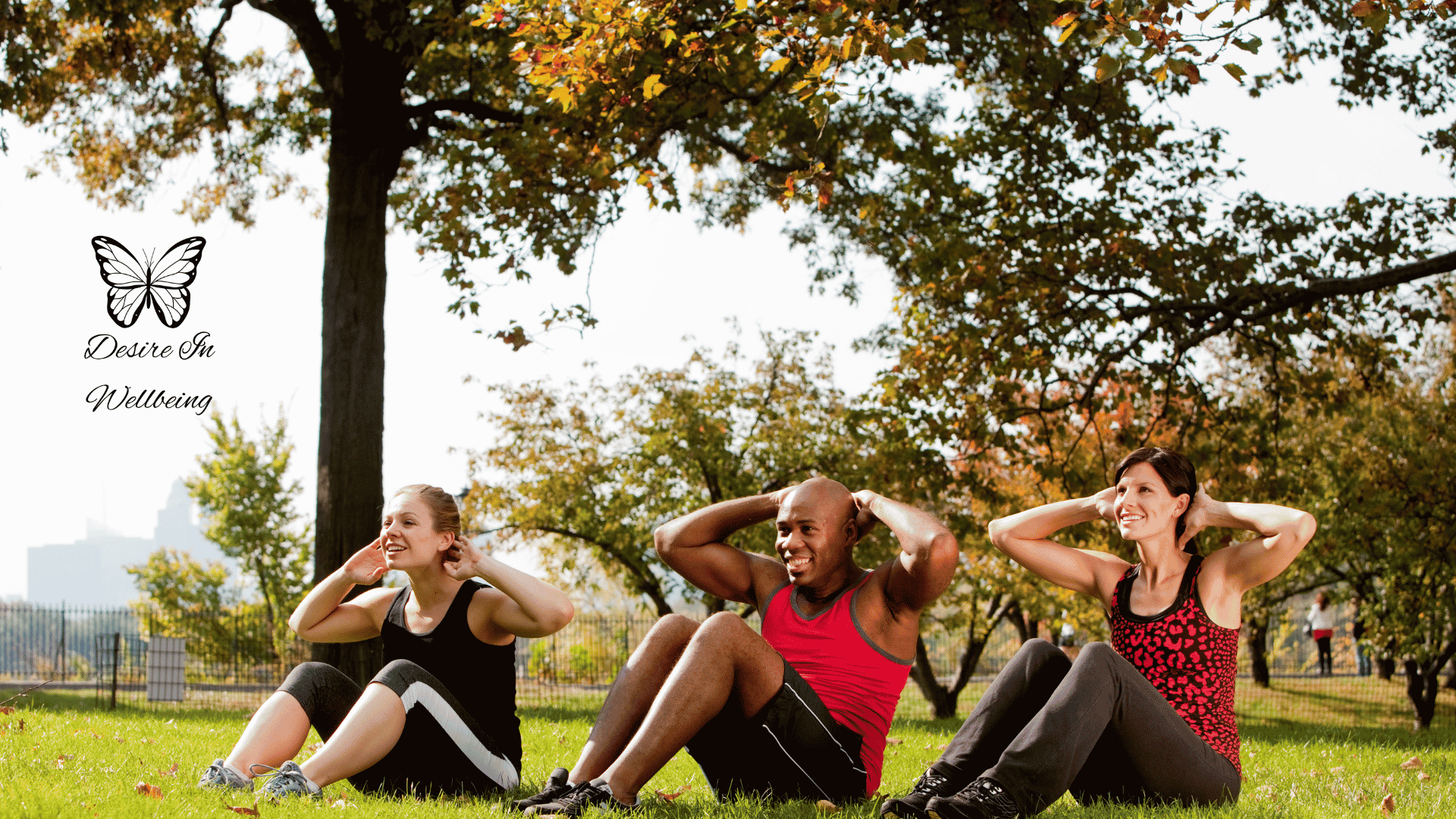
Movement does not have to involve a gym membership, expensive equipment, or a complicated training plan. Walking, dancing, cycling, gardening, active play, household tasks, and bodyweight exercises can all contribute to physical activity. The best option is one that fits your health, abilities, safety, schedule, and preferences.
Start with a manageable action. You might walk for ten minutes, stretch gently after sitting for a long period, or do a short set of sit-to-stand movements if they are safe for you. Increase duration or intensity gradually according to how your body responds. People with chronic conditions, pain, mobility limitations, or concerns about exercise should seek advice tailored to their situation.
Reduce the number of steps between you and the activity you want to do. Keep comfortable shoes accessible, plan a safe route, or choose a short home routine that requires no equipment. If you prefer company, ask a friend or family member to join you. If schedules are unpredictable, break activity into smaller sessions across the day rather than waiting for a perfect hour.
Do not confuse minimalism with doing as little as possible. The aim is to remove unnecessary barriers while still meeting your body's needs. Public-health guidance generally encourages adults to build toward regular aerobic activity and muscle-strengthening activity, adjusted for ability and health. Some movement is usually better than none, and a small start can be worthwhile.
Track consistency in a low-pressure way if it motivates you. A note on a calendar or a simple reminder may be enough. If tracking creates anxiety or makes you ignore pain and fatigue, stop using it. Rest, recovery, and flexibility are part of a sustainable routine.
Build a Realistic Self-Care Routine
Self-care is often marketed as a set of products or elaborate rituals, but many important forms of care are ordinary: sleep, meals, movement, rest, connection, and asking for help. A minimalist self-care routine prioritises the practices that meet your needs instead of filling your day with more tasks.
Sleep is a useful place to start. Keep a reasonably consistent sleep schedule when your circumstances allow, create a comfortable sleep environment, and notice habits that interfere with rest. Shift workers, parents of young children, caregivers, and people living in noisy or crowded homes may not be able to follow ideal sleep advice. Work with what is possible, and seek medical advice if sleep difficulties persist or significantly affect daily functioning.
Brief moments of recovery can also matter. Take a few slow breaths, sit outside, listen to music you enjoy, pray or reflect if that is meaningful to you, or speak with someone you trust. These practices are not guaranteed treatments for mental health conditions, but they may help some people manage everyday stress. Choose what feels supportive rather than following a list because it is popular.
Protect time for relationships. A simpler routine should not remove the social connection that makes life meaningful. A short conversation, shared meal, check-in message, or walk with a friend may be more valuable than another self-improvement task. If you are isolated or distressed, connection and professional support may be more useful than decluttering alone.
Make rest practical. You might leave a small gap between commitments, set a stopping time for work when possible, or decide which chores can wait. Rest is not something you must earn by completing every task. If responsibilities are genuinely excessive, the answer may include asking for help, renegotiating expectations, or addressing working conditions—not simply becoming more organised.
Practise Digital Minimalism
Digital clutter can be just as frustrating as physical clutter: constant notifications, unread messages, multiple open tasks, and feeds that pull attention away from what you intended to do. Digital minimalism means choosing how technology serves you rather than trying to eliminate every screen from your life.
Begin by reviewing notifications. Keep alerts for people, services, and responsibilities that genuinely need immediate attention; silence or batch the rest. Unsubscribe from emails you no longer read, remove unused apps if they are safe to remove, and organise essential files into a few clearly named folders. Do one small clean-up rather than attempting to reorganise your entire digital life in one sitting.
Use boundaries that fit your responsibilities. You might keep the phone away during a meal, turn on focus mode for a work block, or avoid scrolling during the first few minutes after waking. If you need to be reachable for family, work, or safety, set exceptions rather than switching everything off.
Consider how content affects you. If a particular feed repeatedly leaves you anxious, inadequate, angry, or distracted, unfollow accounts that do not serve you or set a time limit. Social media can also provide support, learning, community, and entertainment; the goal is intentional use, not a moral judgement about technology.
Do not assume that reducing screen time alone will resolve anxiety, low mood, or concentration difficulties. These can have many causes. Digital boundaries may help protect attention and rest, but persistent distress deserves appropriate support.
Simplify Your Schedule and Protect Your Time
A calendar can become cluttered with commitments just as a room can become crowded with possessions. Every appointment or task requires time and often energy for preparation, travel, communication, and recovery. A simpler schedule leaves room for the things you value and for the unexpected demands that life brings.
Start by writing down your main responsibilities and commitments. Mark what is essential, what is valuable but flexible, and what you may be doing mainly from habit or pressure. You may not be able to remove paid work, caregiving, or household responsibilities, but you might be able to combine errands, reduce optional meetings, share a task, or renegotiate a deadline.
Practise a respectful pause before saying yes. You can say, “Let me check my schedule and get back to you,” rather than agreeing immediately. When you need to decline, be clear and kind without giving a long explanation. Boundaries are not always easy, particularly when there are power differences, financial pressures, or cultural expectations, so choose approaches that are safe and realistic for your situation.
Plan a short list of priorities for the day rather than a huge to-do list that assumes unlimited energy. Leave buffer time between tasks when possible. Group similar activities—such as messages, errands, or paperwork—if doing so saves effort. If a task repeatedly overwhelms you, break it into the smallest next step or ask for help.
A minimalist schedule should not become an excuse to withdraw from important relationships or avoid necessary responsibilities. It is about aligning commitments with capacity and values. If work demands are consistently unreasonable, individual planning may not be enough; organisational changes, manager conversations, or external support may be needed.
Spend More Intentionally
Minimalism does not require buying a matching set of storage boxes, replacing your wardrobe, or purchasing a premium wellness product. In fact, buying more items to create a minimalist look can work against the goal. Begin by using what you already own and asking whether a purchase solves a real problem.
Before non-essential purchases, consider pausing long enough to ask: Do I need this now? Do I already own something that does the job? Can I borrow, repair, reuse, or buy it second-hand safely? Will it cost money or time to maintain? These questions are prompts, not rules. Essential purchases, accessibility tools, safe equipment, and items that make daily life easier can be worthwhile.
A simple budget can make spending choices clearer. List essential expenses, planned savings if possible, and flexible spending. You do not need a complicated app; a notebook or basic spreadsheet can work. Avoid judging yourself for financial constraints. For many people, limited income and rising costs—not excessive shopping—are the main barriers to feeling financially secure.
Repairing and reusing items may reduce waste and delay replacement costs, but consider safety and practicality. Do not keep broken items indefinitely out of guilt, and do not discard useful belongings just to meet a decluttering target. Intentional consumption is about making considered choices within your resources.
Make Minimalism Work for Different Households and Budgets
There is no single minimalist lifestyle that fits every home. A family with children may need school supplies, toys, clothing, and backup items. Someone living in a small shared room may have little control over the layout. A person with a disability may rely on equipment and supplies that an outsider might mistake for clutter. The useful question is not “How little can I own?” but “What makes my everyday life safer, easier, and more meaningful?”
If you live with other people, agree on shared goals. Perhaps everyone wants a clearer dining table or a place for shoes near the entrance. Begin with common areas and shared systems rather than secretly removing another person's possessions. Let each person decide what matters to them within reasonable household agreements.
If money is tight, focus on free changes: put items back in one consistent place, reuse containers you already have, turn off unnecessary notifications, plan around existing foods, or take a walk in a safe accessible place. Minimalism should never imply that you need to buy new products to become healthier or more organised.
For people with demanding jobs or caregiving roles, simplify the systems around unavoidable tasks. Keep essential items together, make a shared list, prepare only what is realistically manageable, and accept “good enough” when perfection is not possible. If you have limited energy because of illness or disability, a helpful system may involve keeping needed items close at hand rather than putting everything away out of sight.
Culture and personal meaning matter, too. Gifts, heirlooms, religious objects, clothing for ceremonies, and items associated with family history may carry value beyond their practical use. You can simplify without rejecting these meanings. Minimalism is most useful when it supports your values rather than replacing them with someone else's aesthetic.
A Gentle Seven-Day Minimalist Reset
Use this seven-day plan as a menu of small experiments, not a challenge you must complete perfectly. Each task can take five to fifteen minutes, and it is fine to repeat a day or skip one that does not fit your circumstances.
- Day 1 — Notice friction. Write down three small things that make your day harder: searching for an item, too many alerts, rushed meals, or an overfull schedule. Choose just one to address first.
- Day 2 — Clear one useful surface. Tidy a small area you use often. Put necessary items where they belong and decide what to do with items you no longer need. Stop when the time you set is up.
- Day 3 — Prepare one thing in advance. Choose a small morning task to prepare the night before, such as clothes, a bag, breakfast ingredients, or a written reminder.
- Day 4 — Simplify one meal decision. List two or three affordable meals you enjoy using foods you can access. Make a short shopping list or prepare one ingredient if that helps.
- Day 5 — Reduce one digital distraction. Silence a non-essential notification, unsubscribe from an unwanted email, or set a short phone-free period that is compatible with your responsibilities.
- Day 6 — Make room for recovery. Add a short walk, a quiet break, a conversation, or a reasonable stopping point to your day. Choose something restorative rather than another task to optimise yourself.
- Day 7 — Review and keep what helps. Ask what felt easier, what was inconvenient, and what you want to continue. Drop any change that created more work or did not suit your life.
At the end of the week, do not measure success by the number of items discarded or habits completed. Look for small improvements: less time searching, fewer interruptions, an easier meal decision, or a little more room to rest. If you did only one useful thing, that still counts. Sustainable changes usually come from adapting systems over time, not from a dramatic one-week transformation.
Frequently Asked Questions About Minimalist Lifestyle Habits
Does minimalism improve mental health?
Research has found associations between voluntary simplicity and wellbeing, and some people find that less unwanted clutter or fewer distractions makes daily life easier. The evidence does not establish that minimalism causes better mental health for everyone. It is not a replacement for professional treatment when someone has a mental health condition.
Do I need to get rid of most of my belongings?
No. Minimalism is about intentional choices, not reaching a particular number of possessions. Keep items that are useful, meaningful, necessary, or enjoyable. Start with the things that create difficulty and avoid discarding other people's belongings without consent.
Can I practise minimalism on a small budget?
Yes. Many useful changes cost nothing: organising items you already own, reducing unwanted alerts, planning simple meals, and setting boundaries around optional commitments. You do not need to buy special containers, clothes, apps, or wellness products.
Is minimalism the same as being tidy?
No. Tidiness is about order; minimalism is more broadly about choosing what to keep, do, buy, and prioritise. A home can be tidy but full of possessions, or lived-in and imperfect while still supporting a simple, intentional routine.
How long does it take to build minimalist habits?
There is no fixed timeline. It depends on the habit, your environment, available time, and how often you can practise it. Make the first step small enough to repeat, and adjust the plan when life changes.
Can minimalism become unhealthy?
Yes, if it becomes rigid, causes conflict, leads to unsafe discarding, or makes you feel guilty for owning useful things. If decluttering becomes compulsive or creates significant distress, pause and consider speaking with a qualified professional. Your wellbeing matters more than following a lifestyle label.
What is the easiest minimalist habit to start with?
Choose one repeated frustration. Put frequently used items in a consistent place, silence a distracting notification, or prepare one thing for tomorrow. The best starting habit is small, useful, and realistic for your life.
Trusted Sources and Further Reading
The article uses research and public-health guidance to frame minimalism as a personal lifestyle choice rather than a guaranteed health intervention. These resources offer more detail:
- Hook et al. (2023), “Minimalism, voluntary simplicity, and well-being: A systematic review of the empirical literature” — reviews 23 empirical studies and discusses the relationship between voluntary simplicity and wellbeing.
- Rogers and Hart (2021), “Home and the extended-self: Exploring associations between clutter and wellbeing” — examines subjective clutter, psychological home, and wellbeing.
- “Home clutter and mental well-being: Exploring moderators and the mediating role of home beauty” (2025) — reports associations and highlights the need for further research.
- World Health Organization: Physical activity — practical public-health guidance on movement and health.
- U.S. Centers for Disease Control and Prevention: About Sleep — explains why adequate sleep is important for health and daily functioning.
- World Health Organization: Healthy diet — general guidance on balanced, varied eating patterns.
Wellbeing disclaimer: This article is for general educational purposes and is not medical or mental health advice. Minimalism is a personal choice, not a treatment for a health condition. If stress, anxiety, low mood, sleep difficulties, or other symptoms persist or affect daily life, consider speaking with a qualified healthcare professional.