
The Complete Beginner's Guide To Building A Healthy Lifestyle

Desire E
Building a healthy lifestyle can sound like a huge project: change how you eat, exercise every day, sleep perfectly, manage stress, and somehow keep every new habit going. In real life, lasting wellbeing is usually built through smaller, repeatable choices that fit your circumstances. You do not need to transform everything at once, buy expensive products, or follow someone else's routine to begin making useful changes.
This beginner's guide covers the foundations of everyday wellbeing—nutrition, hydration, movement, sleep, stress management, social connection, preventive care, and habit formation. The aim is practical, evidence-informed guidance rather than rigid rules. Your age, health, access to food and safe spaces, work schedule, culture, and responsibilities all affect what is realistic for you. Start where you are, make one manageable change, and adjust as you learn what works.
What a Healthy Lifestyle Really Means
A healthy lifestyle is not a perfect diet, a particular body shape, a long morning routine, or an uninterrupted exercise streak. It is a collection of patterns that support health over time. These can include eating a varied diet, being physically active, getting enough sleep, caring for mental health, maintaining relationships, avoiding tobacco, limiting harmful alcohol use, and seeking preventive healthcare when available.
No single habit determines your health. A person can eat nutritious food and still experience illness; another may have a demanding job, a disability, or limited access to resources that makes some recommendations harder to follow. Health is shaped by biology, living and working conditions, income, environment, healthcare access, relationships, and individual choices. Lifestyle habits can support wellbeing, but they cannot control every outcome.
It helps to replace an all-or-nothing mindset with a flexible one. Instead of thinking, “I have to work out for an hour every day,” try, “What kind of movement is realistic today?” Instead of banning favourite foods, consider how to add more nourishing options to meals you already enjoy. Rather than forcing yourself to follow a rigid bedtime, identify one thing that could make sleep easier within your circumstances.
The most useful first step is to identify a need. Are you regularly skipping meals because you are busy? Sitting for long periods? Feeling exhausted because you have too little time to rest? Struggling to make time for friends? Choose one area where a small change could reduce friction or support your wellbeing. You can build on that later.
Build a Balanced, Realistic Nutrition Foundation
Food provides energy and nutrients that support growth, repair, immunity, and everyday functioning. A healthy eating pattern does not need to be expensive or complicated. The World Health Organization describes a healthy diet through principles such as adequacy, balance, moderation, diversity, and food safety. The exact combination of foods depends on age, health, activity, culture, preferences, and what is available and affordable.
Whenever practical, include a variety of vegetables and fruit, beans or other pulses, whole grains or other staple foods, sources of protein, and unsaturated fats. Examples include beans, peas, lentils, eggs, fish, nuts, seeds, vegetables, fruit, maize, millet, oats, brown rice, and other locally available foods. You do not need every food group at every meal, and no single ingredient is required for everyone.
In Uganda and across many communities, familiar foods such as beans, groundnuts, matooke, sweet potatoes, cassava, millet, greens, eggs, fish, and seasonal fruit can form part of a balanced pattern. Preparation methods, portions, food safety, and variety matter more than following a fashionable international menu. Frozen, dried, or canned foods can also be useful when fresh options are costly or difficult to access; where possible, compare added salt or sugar and choose what suits your needs.
A helpful beginner strategy is to add nourishing foods before trying to remove foods. Add vegetables to a meal you already eat, include fruit when available, try beans or lentils as a protein source, or choose a whole-grain option sometimes. Gradual additions can feel less restrictive than making a long list of foods you are no longer allowed to eat.
Fibre from vegetables, fruit, pulses, and whole grains supports digestion and can help make meals satisfying. Increase fibre gradually if your usual intake is low and drink fluids according to your needs. People with particular gastrointestinal conditions may need individual advice about the type or amount of fibre they tolerate.
Pay attention to food safety as part of healthy eating. Wash hands and produce appropriately, use safe water, cook foods thoroughly, separate raw and cooked foods, and store perishable food safely. Nutritious food that is contaminated can still cause illness.
Try making meal planning simpler. Write down a few meals you already know how to prepare, keep a short list of common ingredients, and use leftovers safely when practical. Batch cooking may save time for some households, while smaller fresh meals may be more realistic for others. You do not need special containers, supplements, or expensive kitchen equipment to eat more consistently.
Avoid turning healthy eating into a strict moral code. Enjoyment, culture, celebration, and convenience belong in a sustainable pattern too. One meal does not determine your health. If you have diabetes, kidney disease, food allergies, a history of disordered eating, or other medical nutrition needs, personalised guidance from a qualified professional may be more appropriate than general internet rules.
Hydration Without Rigid Water Rules
Water is essential for temperature regulation, circulation, digestion, and many other body functions. Your fluid needs vary with climate, activity, diet, illness, pregnancy or breastfeeding, and health conditions. There is no single amount that suits everyone, and common rules such as “eight glasses a day” should be treated as rough reminders rather than universal medical requirements.
For many people, safe drinking water is a practical default. Drink regularly across the day, pay attention to thirst, and increase attention to fluids when you are sweating heavily or spending time in hot conditions. Foods such as fruit, vegetables, soups, and other meals also contribute water. Tea and coffee can contribute to fluid intake for many adults, although high caffeine intake may cause other problems.
If you are physically active or working in the heat, combine drinking with rest breaks and cooling. Do not force very large amounts of water in a short time; excessive intake can be dangerous, especially during prolonged exercise. After ordinary activity, water and normal meals are often sufficient. Electrolyte drinks may be useful in some situations involving prolonged heavy sweating, while oral rehydration solution is specifically designed to replace fluid and salts lost through diarrhoea. They are not interchangeable for every situation.
People with certain heart, kidney, or liver conditions may need to follow a clinician's fluid or electrolyte guidance. If you have persistent vomiting, diarrhoea, very little urine, confusion, fainting, or other serious symptoms, do not rely on a generic hydration target; seek appropriate medical help.
Move Your Body in Ways That Suit You
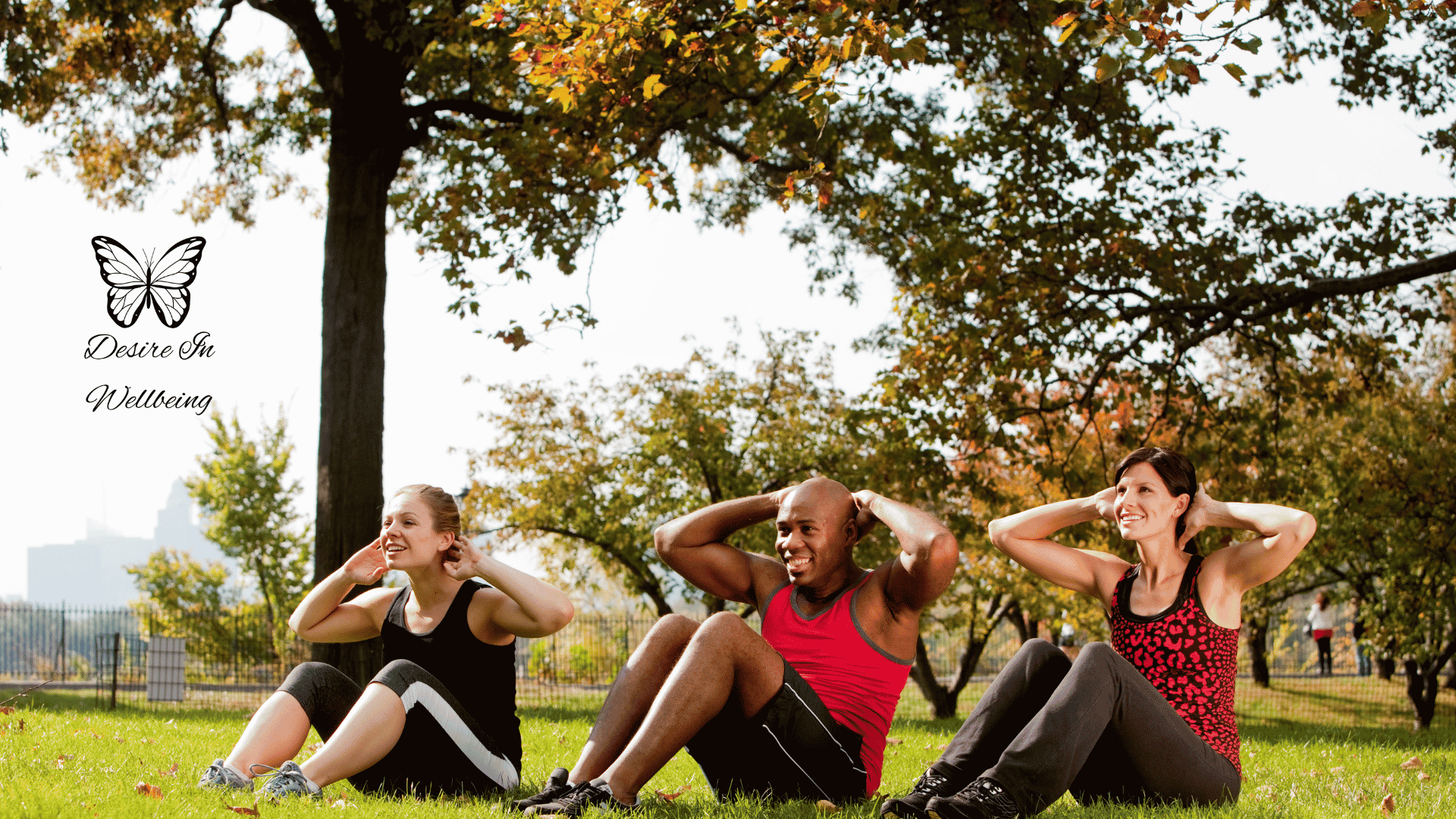
Regular physical activity supports cardiovascular health, muscles and bones, mobility, sleep, and mental wellbeing. It does not have to mean joining a gym or completing intense workouts. Walking, cycling, dancing, gardening, active play, household tasks, sports, and exercises at home can all contribute. Choose activities that fit your abilities, interests, safety, budget, and schedule.
For adults, WHO guidance recommends building toward 150–300 minutes of moderate-intensity aerobic activity each week, or an equivalent combination of moderate and vigorous activity, along with muscle-strengthening activity on at least two days. These are population-level recommendations, not a pass-or-fail test. Doing some activity is better than doing none, and people who are inactive can start with small amounts and gradually build up.
Moderate-intensity activity generally raises your breathing and heart rate while still allowing you to talk, though not sing comfortably. A brisk walk may fit this description for some people. If you are new to exercise, try a short walk or a few minutes of movement and see how you feel. Increase gradually rather than making a sudden jump in duration or intensity.
Strength training helps maintain muscle and supports everyday tasks. Depending on your ability and experience, options may include chair sit-to-stands, wall push-ups, resistance bands, lifting appropriate household items, or exercises with weights. Learn safe technique and allow recovery. If you have a health condition, pain, balance concerns, or have been inactive for a long time, ask a healthcare professional about suitable ways to begin.
Breaking up long periods of sitting can be useful. Stand, stretch, walk briefly, or change position when practical. Small bouts of movement can fit into work and household routines, especially when a continuous exercise session is difficult to arrange. Everyday activity counts, even if it does not look like a formal workout.
Make movement easier to repeat. Keep comfortable shoes accessible, choose a route that feels safe, schedule activity with a friend, or use music to make a home session enjoyable. If you dislike running, you do not have to run. If group classes are too expensive, you can choose free movement options. The best plan is one you can adapt and sustain, not the one that looks most impressive online.
Rest is part of an active lifestyle. Soreness, fatigue, illness, and injury may mean you need to reduce intensity or recover. Pain that is severe, persistent, or unusual deserves assessment rather than being pushed through. Physical activity is valuable, but it should not become punishment or a reason to ignore your body's needs.
Prioritise Sleep and Recovery
Sleep affects attention, mood, learning, physical recovery, and overall health. Many adults need at least seven hours a night, though individual needs vary. Children and teenagers generally need more. Sleep quality and regularity matter too, and not everyone has full control over their sleep because of shift work, caregiving, illness, housing conditions, or other demands.
Start with the changes that are possible. If your schedule allows, keep bedtime and waking time reasonably consistent. Create a wind-down period, reduce bright light if it helps you settle, and make the sleeping area as comfortable, dark, and quiet as your situation allows. You do not need a perfect bedroom or expensive sleep products to practise useful habits.
Notice how caffeine affects you and consider avoiding it in the hours before sleep if it makes it harder to fall asleep. Alcohol may make some people feel sleepy at first but can disrupt sleep later. Heavy meals right before bed may be uncomfortable for some people, while others need a snack to avoid going to bed hungry. Experiment with timing that suits your body and circumstances rather than following rigid rules.
A calming routine can include reading, gentle stretching, a warm wash, quiet conversation, prayer or reflection, or writing down tomorrow's priorities. The point is to make the transition to rest easier, not to complete a long checklist. If your evening is busy, even a few quieter minutes may be a useful start.
Daylight and regular daytime activity help support circadian rhythms, the body's internal timing system. When possible, spend some time outdoors during the day and keep a reasonably stable sleep-wake pattern. People who work nights or rotating shifts may need a different strategy to protect sleep; advice should fit their work schedule rather than assume a conventional daytime routine.
If you regularly struggle to sleep, snore heavily, wake gasping, feel extremely sleepy during the day, or have sleep problems that affect daily life, consider speaking with a healthcare professional. Sleep difficulties can have medical or psychological causes that sleep-hygiene tips alone may not resolve.
Manage Stress and Support Mental Wellbeing
Stress is a normal response to demands and uncertainty. Short-term stress can sometimes help you respond to a challenge, but prolonged or overwhelming stress can affect sleep, mood, concentration, relationships, and physical health. There is no single stress-management technique that works for everyone, and individual habits cannot remove structural pressures such as financial hardship, unsafe work, discrimination, or caregiving overload.
Begin by noticing your personal signs of stress. You might experience tense muscles, irritability, changes in appetite, headaches, difficulty concentrating, disturbed sleep, or withdrawing from activities. These signs can have other causes too, but they can prompt you to pause and consider what support you need.
Simple practices may help you manage everyday stress: take a short walk, breathe slowly and comfortably, write down concerns, listen to music, spend time in a calming place, or talk with someone you trust. Mindfulness or meditation helps some people focus on the present, but it is not a cure-all and may feel uncomfortable for others. You can choose a different approach if a practice does not suit you.
Separate what you can influence from what you cannot. For a manageable task, identify the next concrete step and set a realistic time to do it. For a problem that depends on other people or wider circumstances, consider whether you can seek help, set a boundary, or reduce the burden in another way. Stress management is not simply about becoming better at tolerating an unsustainable situation.
Build small recovery moments into ordinary life rather than waiting until you are exhausted. Take a break between tasks, make room for a hobby, spend time outdoors when safe and accessible, or allow yourself to rest without needing to earn it. If your responsibilities leave no room for recovery, you may need practical support, a conversation about workload, or help from a community or professional service.
Seek professional mental health support if anxiety, low mood, trauma symptoms, or stress persist, worsen, or interfere with daily functioning. Self-care habits can complement professional care but should not be presented as a substitute. If you may harm yourself or someone else, or you cannot keep yourself safe, seek urgent local help and contact a trusted person if possible.
Make Room for Relationships and Connection
Wellbeing is not only about individual habits. Supportive relationships can provide companionship, practical help, a sense of belonging, and opportunities to share difficult experiences. Social connection looks different across cultures and personalities: some people enjoy a large network, while others prefer a few close relationships or quiet activities with others.
Try small, realistic ways to maintain connection. Send a message, share a meal, call a relative, join a community activity, or arrange a walk with a friend. If you are busy, a short check-in can still communicate care. Make room for listening as well as talking, and remember that healthy relationships involve respect, boundaries, and mutual support.
Connection does not mean staying in relationships that are harmful or unsafe. If someone repeatedly disrespects your boundaries, threatens you, or causes harm, consider support from a trusted person or appropriate service. Protecting wellbeing sometimes means limiting contact or seeking help.
If loneliness is affecting you, try a small step toward a setting where you feel comfortable: a hobby group, faith or community gathering if relevant to you, a volunteer activity, a class, or a regular conversation with someone you trust. Building relationships takes time, and not every attempt will lead to a close friendship. You do not need to force yourself into social situations that feel unsafe or overwhelming.
Make Your Environment Support Healthy Choices
Healthy habits are easier when your surroundings make them convenient. You do not need to redesign your home or buy special equipment. Small changes—placing drinking water where you can reach it, keeping everyday cooking ingredients visible, putting walking shoes near the door, or charging your phone away from the bed if practical—can reduce the effort needed to act on an intention.
Keep your environment flexible and suited to your circumstances. If you share a room, have children, work shifts, or live in a crowded home, the ideal setup shown online may not be possible. Look for a small adjustment that improves function rather than aiming for a perfect space. A basket for essentials or a written reminder may be enough.
Consider how digital environments affect your attention and mood. Turn off non-essential notifications, unfollow accounts that reliably leave you feeling worse, or choose specific times to check messages if doing so is compatible with your responsibilities. Technology can also support health through learning, connection, reminders, and access to services; the goal is intentional use rather than avoiding all screens.
Make healthier choices accessible where possible. Keep simple meal ingredients available, plan a safe route for movement, or arrange a check-in with a friend. If money, transport, safety, disability, or access to food limits your options, acknowledge those barriers rather than blaming yourself. Community resources, family support, accessible activities, and local services may help, but availability differs by location.
Build Habits That Are Sustainable
Knowing what supports health is only the beginning. The challenge is repeating a behaviour when you are busy, tired, stressed, or unmotivated. Sustainable habit building relies less on constant willpower and more on making actions manageable, connecting them to existing routines, and adjusting the environment so they are easier to repeat.
Start smaller than you think you need to. If you want to move more, try a five- or ten-minute walk rather than committing immediately to an intense daily workout. If you want to eat more vegetables, add them to one meal a few times this week. If you want to improve your sleep routine, choose one evening cue such as dimming lights or preparing for tomorrow. Small actions are not the whole goal; they are an accessible starting point from which you can build.
Attach a new action to something you already do. After breakfast, you might fill a water bottle. After finishing work, you might take a short walk. Before bed, you might put tomorrow's essentials in one place. This technique—often called habit stacking—can make a behaviour easier to remember because it has a familiar cue.
Make the desired action convenient. Put necessary items where you use them, choose a nearby activity, or prepare ingredients ahead of time if that saves effort. You can also make unwanted habits less automatic by adding a little friction, such as moving a distracting app off your home screen. These strategies are aids, not guarantees; habits are also affected by mood, resources, social context, and life events.
Avoid expecting a habit to become automatic on a fixed timetable. People and behaviours differ, and there is no universal number of days after which a habit is guaranteed to stick. Repetition over time helps, but missed days are normal. If you miss a planned walk or eat differently from your plan, return to your next opportunity rather than treating the entire effort as a failure.
Use a flexible version of each routine. Your preferred plan might include a longer workout, a home-cooked meal, and time to relax. On a difficult day, the smaller version might be stretching for a few minutes, eating whatever balanced option is available, and sending a message to someone supportive. A flexible routine helps you keep caring for yourself when circumstances change.
Track progress only if it helps. A simple tick on a calendar, a weekly note, or a reflection on energy and mood may be useful. Tracking food, weight, steps, or sleep can feel stressful for some people, particularly if it becomes obsessive or judgemental. You can measure progress by asking whether a habit is easier to do, fits your life, and supports how you feel and function.
Review your approach regularly. If a habit repeatedly fails, ask whether it is too ambitious, inconvenient, expensive, uncomfortable, or mismatched to your priorities. Adjust the action rather than assuming you lack discipline. The goal is a system that supports your wellbeing, not a test of personal worth.
Adapt Your Plan to Real Life and Health Needs
A healthy lifestyle must fit the person living it. A parent caring for young children may have fragmented sleep and little uninterrupted time. A shift worker may need to plan meals and rest around changing hours. Someone with a disability or chronic illness may need accessible movement options, additional recovery time, or a clinician-guided plan. People facing food insecurity or unsafe neighbourhoods may not have the same choices as those with more resources.
Choose priorities based on your situation. If you are exhausted, improving sleep opportunity or asking for practical help may be more useful than adding a demanding exercise routine. If cooking feels impossible, identify one simple meal or an affordable staple combination. If outdoor activity is unsafe or inaccessible, consider movement at home or in a suitable community setting. Progress is not less meaningful because it looks different from someone else's.
If you have a long-term health condition, are pregnant, are recovering from illness, or take medicines that affect exercise, diet, sleep, or hydration, general recommendations may need adjustment. A healthcare professional who understands your circumstances can help you choose safe and appropriate goals. Do not stop prescribed medication or use supplements as a substitute for treatment without qualified advice.
Avoid products or programmes that promise guaranteed results, rapid transformations, detoxification, or a cure for multiple health conditions. Healthy lifestyle habits can reduce some risks and support functioning, but they cannot guarantee prevention or replace medical care. Be cautious of advice that relies on shame, extreme restriction, or claims that one secret routine works for everyone.
A Beginner-Friendly Seven-Day Starting Plan
Use this plan as a gentle introduction, not a challenge you must complete perfectly. Each day offers one small action. Repeat, shorten, or adapt it to your health and schedule. If you already do one of these things, choose another area that would be useful.
- Day 1 — Notice your routine. Spend five minutes identifying one thing that supports your wellbeing and one recurring difficulty. Choose a small change that addresses the difficulty.
- Day 2 — Add one nourishing option. Include a fruit, vegetable, pulse, or other nutritious food that is available and suits your needs. Focus on adding variety rather than banning favourite foods.
- Day 3 — Move a little more. Try a short walk, gentle stretch, dance, or accessible movement session. Stop or adapt if you experience pain or concerning symptoms.
- Day 4 — Support your sleep. Choose one realistic change, such as preparing for tomorrow earlier, creating a calmer wind-down, or keeping a more consistent waking time when possible.
- Day 5 — Take a recovery break. Spend a few minutes on a calming activity or speak with someone supportive. Notice whether you need a practical change or additional help with a stressor.
- Day 6 — Make one habit easier. Put an item where you need it, prepare a simple meal ingredient, or set a reminder for a behaviour you want to repeat.
- Day 7 — Review without judgement. Ask which action felt useful, which was difficult, and what you want to continue next week. Keep the useful parts and change the rest.
After the first week, choose one or two habits to repeat rather than adding everything at once. For example, you might take a short walk three times a week and add a vegetable to one daily meal. When those actions fit comfortably, consider another small step. There is no need to follow a universal timetable; sustainable change depends on your circumstances.
Remember that the purpose is to support your health, not to create another set of expectations you feel you are failing to meet. Rest, flexibility, cultural preferences, enjoyment, and connection belong in a healthy lifestyle. A useful routine should make life more manageable, not narrower.
Frequently Asked Questions About Building a Healthy Lifestyle
What is the easiest way to start a healthy lifestyle?
Start with one small change that addresses a real need. You might take a short walk, add a nutritious food to a meal, make time for a more consistent sleep routine, or reduce one source of distraction. Choose an action you can repeat and build gradually.
How long does it take to build healthy habits?
There is no fixed timeline. Some actions become easier with repetition relatively quickly, while others take longer because they are complex or depend on your environment. Missing a day does not erase progress. Focus on making the behaviour realistic and returning to it when you can.
Do I need to join a gym or buy special products?
No. Walking, dancing, gardening, and many home exercises can support movement without a gym membership. Basic meals can be built from affordable foods available to you, and habit reminders can be free. Buy products only when they meet a real need and fit your budget.
How much water should I drink each day?
Fluid needs vary with climate, activity, diet, illness, and health conditions. Drink regularly and pay attention to thirst and circumstances rather than treating a single glass count as a rule for everyone. If a clinician has prescribed a fluid limit, follow that advice.
Do I have to stop eating my favourite foods?
Not generally. A sustainable eating pattern can include enjoyable foods as well as nutritious everyday choices. Focus on overall variety and balance rather than labelling foods as moral successes or failures. Specific medical conditions may require tailored dietary advice.
Can lifestyle changes replace medication or therapy?
No. Healthy habits may complement treatment and support general wellbeing, but they are not substitutes for prescribed medication, professional mental health care, or medical assessment. Discuss treatment changes with a qualified healthcare professional.
What if I miss a day or lose motivation?
That is normal. Look at what made the habit difficult and adjust it. Try a smaller version, link it to an existing routine, or choose a more convenient time. Return at the next opportunity rather than waiting for a perfect Monday or restarting from zero.
Can I improve my lifestyle if I have very little time or money?
Yes, although resources and circumstances affect what is possible. Free or low-cost steps may include walking where safe, using available staple foods, resting when possible, connecting with supportive people, and reducing one avoidable daily frustration. You do not need to spend money to prove you care about your health.
Trusted Sources and Further Reading
This guide draws on public-health guidance from established organisations. These resources provide further detail and are useful starting points for evidence-informed lifestyle decisions:
- World Health Organization (WHO): Healthy diet — principles of dietary variety, balance, moderation, food safety, and healthy eating patterns.
- WHO Guidelines on Physical Activity and Sedentary Behaviour — recommendations for aerobic activity, strength training, and reducing sedentary time.
- U.S. Centers for Disease Control and Prevention (CDC): About Sleep — information about sleep duration and its role in health.
- National Institute of Diabetes and Digestive and Kidney Diseases: Health Tips for Adults — practical advice on food, activity, and sustainable daily choices.
- CDC: Preventing Chronic Diseases—What You Can Do Now — prevention guidance covering activity, nutrition, sleep, tobacco, alcohol, and preventive care.
- WHO: Physical activity — benefits of movement and recommendations for different age groups.
Health disclaimer: This article is for general educational purposes and does not replace personalised medical advice, diagnosis, or treatment. Health needs vary. If you have a medical condition, persistent symptoms, or concerns about changing your diet or activity, consult a qualified healthcare professional. Seek urgent local help for severe or rapidly worsening symptoms.